Business Undergraduates’ Perceptions of Education for Global Citizenship: Insights and Implications
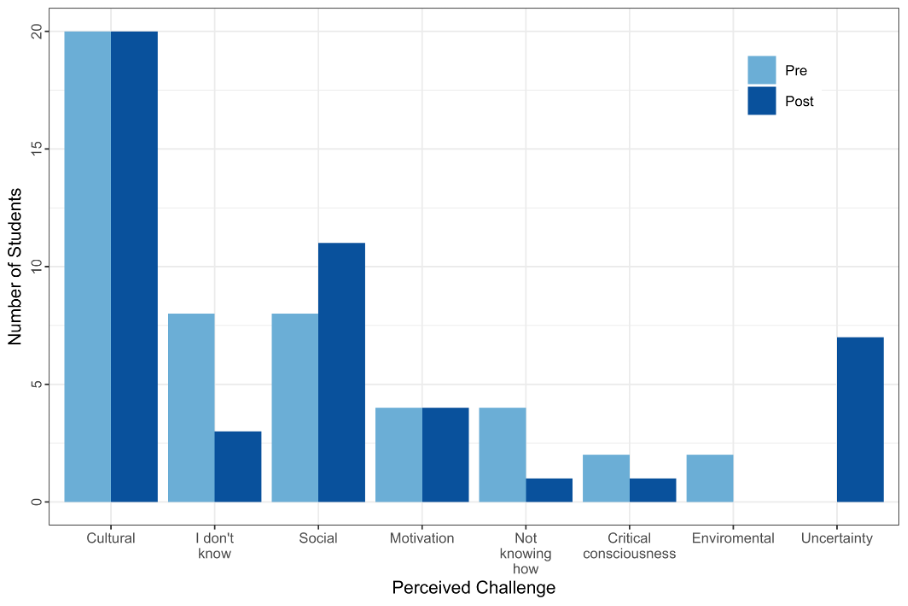
Exerpt: Globalisation has significantly increased the interconnectedness of economies, cultures, politics and societies (Held et al., 1999; Heinonen, 2022). This transformation prompts higher education institutions (HEIs) to consider how they can prepare graduates for the complexities of a globalised world. The concept of global citizenship provides a useful framework through which to understand how educational practices can align with the demands of this interconnected landscape and our common good. As institutions review their missions, placing an emphasis on global citizenship could enrich curricula, fostering awareness of global interdependencies, promoting ethical considerations, and developing cultural competencies. This approach is considered a means of equipping students to engage responsibly within diverse contexts and to navigate the challenges posed by an increasingly complex global environment (Killick, 2014; Lilley et al., 2015; Assis et al., 2018; de la Torre & Young, 2020; Bosio, 2023; Van Rompay-Bartels & Watkins, 2025). However, what is necessary to put this into practice? UNESCO (2017) states that Global Citizenship Education (hereafter referred to as GCED) represents Goal 4.7 of the United Nations Sustainable Development Goals (SDGs). Over the past two decades, the concept of GCED has attracted considerable interest from scholars and researchers in various fields, including higher education (e.g. Massaro, 2022), as well as primary and secondary education (e.g. Goren & Yemini, 2017). Despite the widespread interest within academia, effective and impactful GCED remains difficult. A key issue is that a one-size-fits-all approach cannot be taken to global citizenship education. Our understanding of how students learn about this topic within their various curricula is still in its early stages. Current research in this area is limited, although notable exceptions have focused on study abroad programmes (Streitwieser & Light, 2016), pre-service teachers (Akçay et al., 2024; Aydin & Andrews, 2024) and university curricula (Pownall et al., 2024). These studies reveal a critical gap in our understanding of how students perceive global citizenship. To the best of our knowledge, there is a lack of empirical evidence regarding business students’ perceptions, understanding of, and engagement with global citizenship. Little meaningful progress can be made without this evidence. This underscores the urgent need for further empirical investigation (AlMaamari, 2020; Akçay et al., 2024; Aydin & Andrews, 2024; Pownall et al., 2024). This study begins with a summary of the current discussions surrounding GCED, before analysing students’ experiences and understanding of the concept. We also examine the challenges that students perceive in global citizenship. The findings highlight the significant obstacles that students face in relation to global citizenship within their educational programmes, thus providing a foundation for further research to improve GCED curricula. We proceed as follows. Section 2 discuss the related literature. Section 3 outlines the research methodology, including data collection and analysis methods. Section 4 presents findings from a standalone survey and group outcomes from pre- and post-tests. Finally, Section 5 discusses conclusions, situating our findings within the existing literature and offering recommendations for the integration of GCED into higher education curricula.
Keywords: Global Citizenship Education (GCED); global citizenship; undergraduate higher education; business and empirical study